Namibia

CONTENT

THE COUNTRY

Geography & Demography

Namibia is situated in the southwestern part of the African Continent, bordered by Angola in the north, Zambia, and Zimbabwe in the northeast, Botswana in the east, and South Africa in the south. The Atlantic Ocean stretches along the West.

With 824,292 square kilometers, Namibia is about twice as large as the Federal Republic of Germany.

And with about 2,5 million inhabitants only, Namibia is one of the most sparsely populated countries on earth.

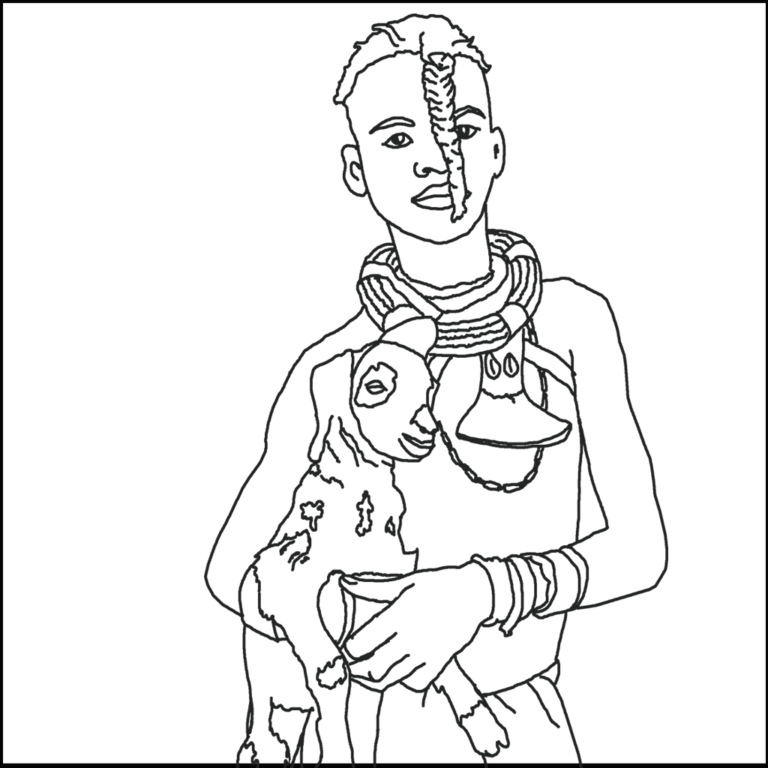
The country has 12 different ethnicities, with the Oshiwambo tribe being the majority. The others are Damaras, Hereros, Namas, San people, Okavangos, Caprivians, Tswanas, Himbas, Topnaars, Basters, and whites (Afrikaners, Germans). 

 Mining, fishing, tourism, and agricultural products are the major sectors generating the GDP (Gross Domestic Product) of the country. 

The Capital

Windhoek is the capital city. In 2021, an estimated 446.000 people live in Windhoek. 

Languages

The most widely spoken languages used in Namibian households are Oshiwambo , Khoekhoegowab , Afrikaans, RuKwangali and Otjiherero. Some people also speak Bantu languages like Setswana, Kuhane and Mbukushu. There are also Khoi-San languages, though they are spoken by few people only. 

English is Namibia’s official language. However, only  3% of the people speak English as their native language.

There are also German and Portuguese speaking communities in Namibia. A closer look at the country’s history will explain why. 

THIS IS A PART OF WINDHOEK

LANDSCAPE

There are two deserts in Namibia: the Kalahari Desert and the country’s oldest desert called Namib from which the country got its beautiful name Namibia.

The meaning of the word namib is vast space.

The Namib and Kalahari deserts cover a large part of the country.

THE FLAG

The Namibian flag has five colors.

Yellow represents the sun,  symbolizing life and energy

Blue stands for blue skies and the importance of rain, water, rivers

Red represents heroism and equal opportunity for future building

Green symbolizes vegetation and agricultural resources 

 White represents peace and unity

DO YOU REMEMBER THE COLOUR OF EACH PART OF THE FLAG ? TRY COLOURING IT WITHOUT SCROLLING UP AGAIN!

BRIEF HISTORY

Archaeological findings show the first humans lived on present day Namibian soil as early as 25,000 years ago. It is believed that the San and Damara have been roaming central, southern, and northwest parts of Namibia before the entry of other ethnic groups, this is mainly known through ancestral storytelling.

The first European to set foot on the Namibian coast in 1486 was Diego Ciao from Portugal.  He erected a stone cross (Padrao) at the Cape Cross seal reserve to honor the King of Portugal.

In 1800 Cape Cross became a Guano excavation site. Guano is accumulated excrement of seabirds and also bats. It can be used as a fertilizer because it contains nitrogen, phosphate and potassium. These are substances plants need to grow.

In 1805, Abraham and Christian Albrecht accompanied by Johannes Siedenfaden of the Rotterdam Missionary Society arrived in Namibia ( via South Africa). They established the first permanent mission in Warmbad (Southern Namibia). 

Occupied and oppressed by the Germans in 1884-1914 (was known as German Southwest Africa), Germans got overpowered by South Africa in 1915-1990, then the country was ruled by the latter from 1921 as a Mandated Territory of the League of Nations (which became the United Nations in 1945). The country became part of South Africa and during this era, it was known as Southwest Africa.

When the oppression intensified, the strive for independence grew stronger. Political parties were established in the 1950s to give voice to the ethnic groups, the leading party was the Ovamboland People ́s Organisation (OPO), which was then a known contract workers union and was led by Sam Nujoma among other liberation struggle fighters. In 1960 it changed to South West African Peoples Organisation.

In 1990 Namibia was free at last, becoming an independent, democratic country.  

NAMIBIAN CUISINE

Namibian food is rather varied in cuisine, because of the vastness of ethnicities. Thus, it has grown internationally and accommodates also the White Afrikaner and German cuisines equally. Including various seafood dishes from the coast. Due to colonial history, German cuisine is represented with hearty meat dishes.

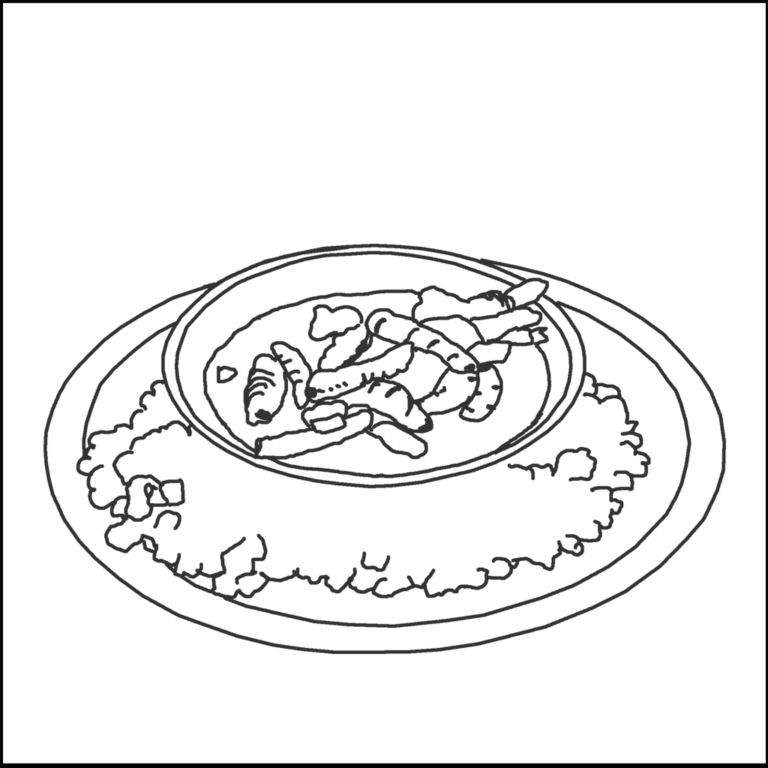
This is Eedingu, a Namibian stew cooked with strips of dried meat. 

This is Ombidi or also called Omboga. It’s dried leaves of wild spinach that are used for various dishes. 


SPORTS

Famous sports in Namibia are football, rugby, cricket, golf and fishing.

Boxing and athletics are also popular. 

The home stadium for national teams is Independence Stadium in Windhoek.

Sam Nujoma Stadium in Katutura is also occasionally used.

There are also lots of recreational sports, such as quad biking, go carting, camel riding, car racing etc.

Johanna Benson ist a famous Namibian athlete. 

TO LEARN MORE ABOUT JOHANNA KLICK ON THE PHOTO BELOW.

SOURCES

OUR ADVISOR

I am Edna Awaras of Damara descent. I was born and raised in Namibia, finished my tertiary education through the Cambridge System. Went on a Working Holiday to England 2002-2004. I obtained a diploma in Holistic Massage Therapy from the City of Bristol College-Uk.  For seven years I managed a successful film company in Namibia, that specialized in documentary film making. In August 2013 I moved to Austria and I have been living here since. In Namibia, most of my work is to facilitate on behalf of the film crews, as a facilitator, field producer, and production manager.

I met my wonderful friend Banza through our children who are going to the same school.

When Banza introduced me to Global New Generation (GNG), I was very intrigued by the website and how multinational it is. I met Sonja, the founder of GNG, at Banza’s birthday and later started being involved in GNG’s activities.

FUNDING & SUPPORT

FEEDBACK

How did you like the learning field?
Thank you for your feedback
error: Content is protected !!